
10 Simple Daily Habits That Can Make Your Life Better
Small changes can make a meaningful difference in everyday life. You do not need an expensive fitness membership, a complicated productivity system, or a complete lifestyle transformation to start living better. Often, the most effective improvements begin with simple habits that you can practice consistently.
Modern life can be busy and demanding. Between work, family responsibilities, digital distractions, and personal goals, it is easy to forget the small routines that support a balanced lifestyle.
The good news is that building a better daily routine does not have to be difficult. Here are ten practical habits that can help you become more organized, productive, and mindful in your everyday life.
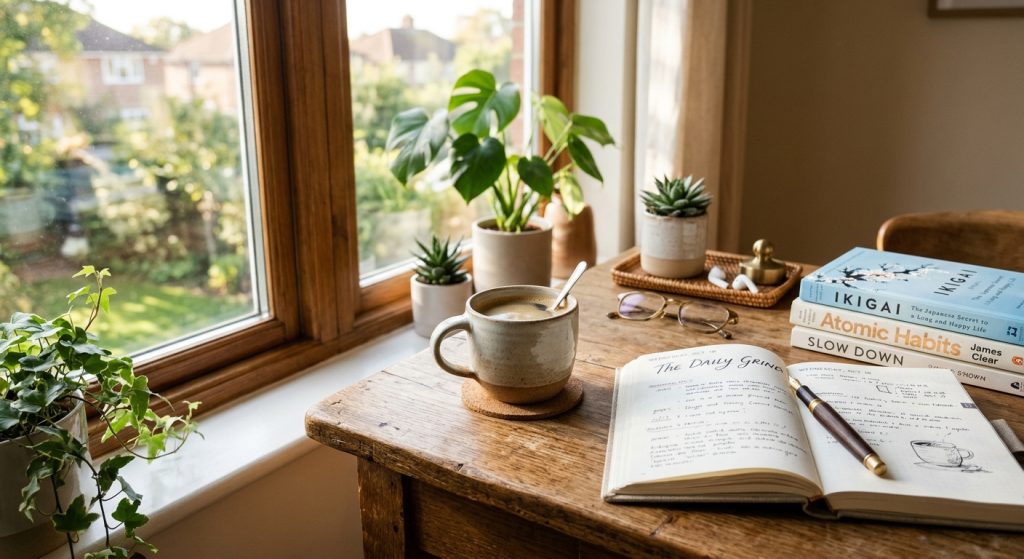
1. Start Your Morning Without Rushing
The way you begin your morning can influence how you approach the rest of the day.
Instead of immediately checking social media or rushing through your morning routine, give yourself a few quiet minutes to prepare mentally.
You can start with simple activities such as:
- Making your bed.
- Drinking a glass of water.
- Opening the windows for fresh air.
- Reviewing your priorities for the day.
- Taking a few minutes to stretch.
You do not need to wake up extremely early. The goal is to create a calmer beginning that works with your schedule.
2. Plan Your Day With Three Main Priorities
A long to-do list can make even a manageable day feel overwhelming.
Rather than trying to complete everything at once, identify three important tasks that deserve your attention.
For example:
- Finish an important work assignment.
- Spend quality time with your family.
- Complete a personal learning activity.
Once these priorities are clear, organize smaller tasks around them.
This approach can help you focus on meaningful progress instead of constantly feeling busy.
3. Move Your Body Every Day
Daily movement is an important part of a balanced lifestyle. It does not always require an intense workout or hours at the gym.
Simple activities can include:
- Walking around your neighborhood.
- Cycling at a comfortable pace.
- Stretching after sitting for long periods.
- Taking the stairs when practical.
- Following a short home workout.
Choose activities that fit your current ability and schedule. Consistency is more important than making every session difficult.
4. Drink Enough Water Throughout the Day
Water plays an essential role in normal body functions. However, busy schedules can make it easy to forget to drink regularly.
Try keeping a reusable water bottle near your desk or in your bag. You can also connect drinking water with existing routines, such as having a glass after waking up or during work breaks.
Individual fluid needs vary depending on activity, climate, diet, and health conditions. Pay attention to your body’s needs and follow any medical advice you have received about fluid intake.
5. Reduce Unnecessary Screen Time
Smartphones and digital devices are useful, but constant notifications and endless scrolling can interrupt your attention.
You do not have to stop using technology. Instead, make your screen time more intentional.
Try these practical changes:
- Turn off notifications that are not important.
- Avoid checking your phone during meals.
- Set specific times to browse social media.
- Keep your phone away when working on important tasks.
- Take short breaks from screens.
Reducing unnecessary screen time can create more opportunities for reading, learning, exercising, and spending time with other people.
6. Make Time for Reading and Learning
Learning does not have to stop when formal education ends.
Reading books, exploring useful articles, listening to educational podcasts, or taking online courses can help you develop new knowledge and skills.
Start with just 10 to 15 minutes a day. Choose subjects that interest you, such as technology, business, personal finance, communication, or creative skills.
Small learning sessions can gradually become a valuable part of your routine.
7. Keep Your Living Space Organized
Your surroundings can influence how comfortable and focused you feel.
A messy environment may make everyday tasks more difficult, especially when you cannot quickly find the things you need.
You do not need to organize your entire home in one day. Start with small areas:
- Clear your work desk.
- Put frequently used items in their proper places.
- Wash dishes after meals.
- Remove items you no longer use.
- Spend five minutes tidying up before bed.
A simple organization routine can make your space easier to maintain.
8. Practice Being More Mindful With Money
A better lifestyle is not necessarily about spending more. It is also about making thoughtful financial decisions.
Start by understanding where your money goes each month. Record your regular expenses, identify unnecessary purchases, and set a realistic savings goal.
A few useful habits include:
- Comparing prices before buying.
- Waiting before making non-essential purchases.
- Preparing a monthly spending plan.
- Setting aside savings regularly.
- Separating needs from wants.
You do not need a complicated financial system. A notebook or basic spreadsheet can be enough to get started.
9. Protect Time for Family and Relationships
A busy schedule can make it difficult to give attention to the people who matter.
Quality time does not always require expensive activities or special occasions. It can be as simple as eating together, having a conversation, taking a walk, or putting your phone away while someone is speaking.
Healthy relationships grow through regular communication, attention, and mutual respect.
Make room for meaningful interactions, even when your daily schedule is full.
10. Create a Consistent Nighttime Routine
A simple evening routine can help you transition from daily responsibilities to rest.
Consider making a few small changes:
- Prepare your clothes or work items for tomorrow.
- Write down unfinished tasks so you can revisit them later.
- Reduce stimulating screen activities before bedtime.
- Keep your sleeping environment comfortable.
- Aim for a consistent sleep schedule.
Adults generally need at least seven hours of sleep per night, although individual needs can vary. A regular routine can make it easier to give sleep the attention it deserves.
How to Build These Habits Without Feeling Overwhelmed
Trying to change everything at once can make a new routine difficult to maintain.
Instead, choose one or two habits that would make the biggest difference in your daily life. Practice them consistently before adding more.
Here is a simple way to begin:
Week 1: Focus on organizing your morning and planning three priorities.
Week 2: Add daily movement and more intentional water breaks.
Week 3: Reduce unnecessary screen time and spend a little time learning.
Week 4: Improve your evening routine and review your spending habits.
Adjust the schedule to fit your circumstances. The purpose is not to follow a perfect routine, but to develop habits that are realistic and sustainable.
Final Thoughts
A better lifestyle is built through everyday decisions, not overnight transformations.
Starting your morning calmly, moving regularly, learning something new, managing money thoughtfully, and making time for relationships are all practical ways to improve your daily routine.
You do not need to adopt all ten habits immediately. Start small, stay consistent, and give yourself time to make meaningful progress.
Remember: small habits, repeated every day, can lead to meaningful long-term changes.
Explore more practical ideas and inspiration with XEVORIAX — Explore What’s Next.
Frequently Asked Questions
1. What are the most important daily habits for a better lifestyle?
Some useful habits include getting enough sleep, staying physically active, eating a balanced diet, planning daily priorities, learning regularly, and maintaining meaningful relationships.
2. How long does it take to build a new habit?
There is no fixed timeline. It depends on the person, the behavior, and the circumstances. Focus on repeating a manageable action consistently rather than expecting instant results.
3. How can I improve my lifestyle with a busy schedule?
Start with small changes that fit into your existing routine. A short walk, a few minutes of reading, or preparing tomorrow’s priorities can be practical starting points.
4. Do I need to change my entire routine to live better?
No. You can improve your lifestyle gradually by choosing a few realistic habits and building on them over time.
5. What is the easiest habit to start today?
Choose one simple action, such as planning your three main priorities, taking a short walk, or spending five minutes organizing your workspace. Start with something you can realistically repeat.
Catatan editorial: Artikel ini merupakan panduan umum, bukan nasihat medis atau keuangan profesional. Sebelum diterbitkan, tambahkan tautan internal ke artikel XEVORIAX lainnya dan gunakan gambar yang memiliki izin penggunaan yang sesuai.